Blue Transformation of Ports: Tangier Becomes the Nerve Center of Africa’s Fisheries Development

Share
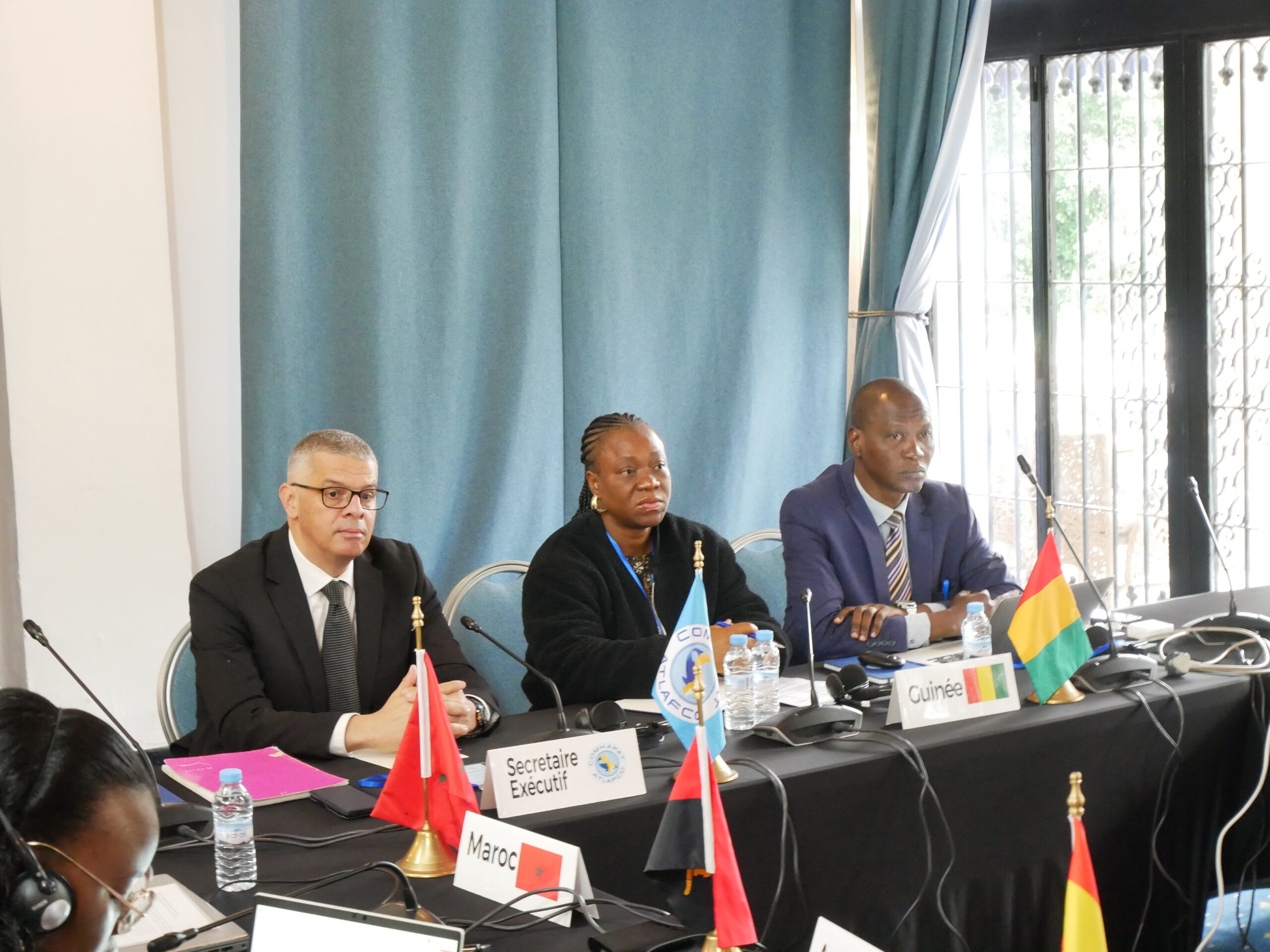
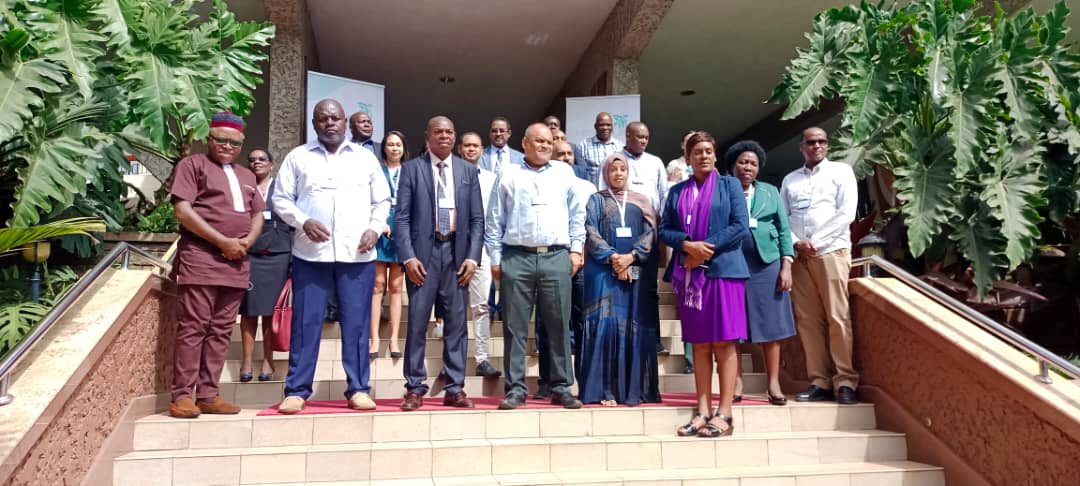
Tangier, Morocco — Policymakers, experts and stakeholders from Africa’s fisheries sector gathered in Tangier from March 4 to 6, 2026, at the initiative of the Ministerial Conference on Fisheries Cooperation among African States Bordering the Atlantic Ocean (COMHAFAT/ATLAFCO), to discuss the future of fishing ports across the region.
The strategic workshop aims to accelerate the transformation of port infrastructure toward the “Blue Port” model—one that balances economic performance, protection of marine ecosystems and the inclusion of artisanal fishing communities.
From March 4 to 6, the Moroccan port city hosted a major event for the future of Africa’s fisheries sector: the workshop titled “Towards the Implementation of the Blue Transformation of Fishing Ports in the COMHAFAT Region.” Bringing together representatives from COMHAFAT member states, the meeting laid the groundwork for a more sustainable modernization of port infrastructure across the Atlantic African region.
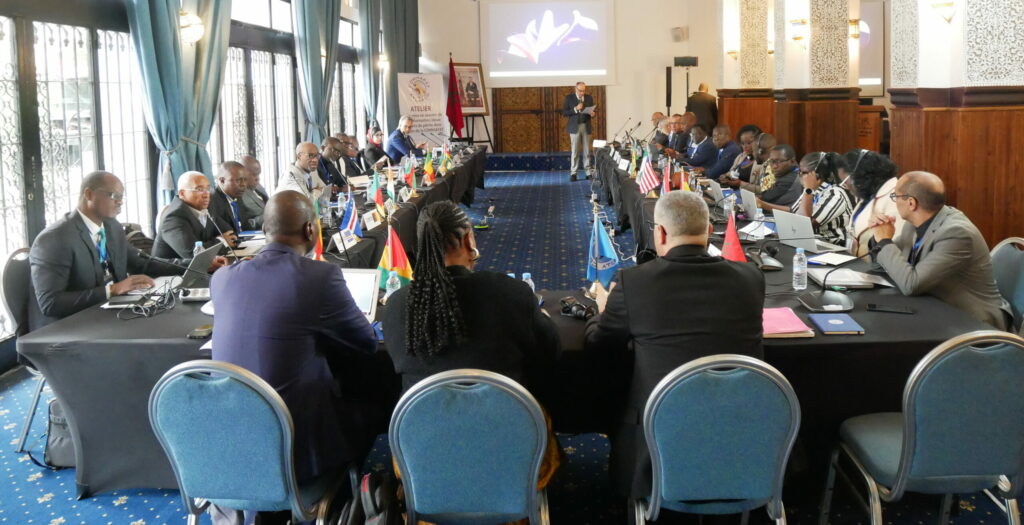
A Regional Commitment at the Opening Session
During the official opening, Taoufik El Ktiri, Executive Secretary of COMHAFAT/ATLAFCO, welcomed participants and recalled the organization’s central role in promoting the sustainable management of fisheries resources.
Representing Morocco, Yassine Elaroussi reaffirmed the Kingdom’s strong commitment to the Blue Port initiative. He stressed that ports are not merely infrastructure but “essential links in the fisheries value chain,” as well as hubs of social organization and anchors of sustainable development. Adapting them to modern environmental and economic challenges, he said, has become a strategic priority for the region.
The representative of the COMHAFAT presidency, currently held by Guinea, called on member states to intensify the exchange of experiences, noting that “transforming our ports today means preparing the future of the fisheries sector in our region,” while ensuring the preservation of marine ecosystems.
Diagnosis and Initiatives: The Zarzis Model in the Spotlight
The workshop’s first session focused on assessing the state of landing and port infrastructure. A key contribution came from the International Maritime Organization (IMO), which presented its OceanLitter Programme, an initiative aimed at reducing marine plastic pollution.
Particular attention was drawn to the presentation by Naoufel Haddad, representing the Media Observatory for Sustainable Fisheries in Africa (OMPDA/MOSFA). He highlighted the Zarzis Blue Port pilot project in Tunisia, supported by the Food and Agriculture Organization of the United Nations (FAO).
The initiative is structured around three pillars—environmental, economic and social. Haddad explained how the co-creation of a local charter with artisanal fishers helped transform the port into a sustainable hub, despite persistent challenges such as reliance on external funding. He stressed that fishers must be treated as “co-decision-makers rather than mere observers” in port governance.
Partnerships and Strategies Toward 2030
The workshop also explored several strategic frameworks shaping the future of Africa’s maritime and port sectors.
The African Blue Economy Strategy was presented by Delvis Fortes, representing African Union – Interafrican Bureau for Animal Resources (AU-IBAR). He emphasized that the blue economy is a key pillar of sustainable development across the continent, integrating responsible fisheries management, value-chain development in fisheries and aquaculture, and the promotion of modern, resilient port infrastructure.
Fortes also highlighted the need for stronger regional cooperation to ensure responsible use of marine resources while supporting food security and employment in coastal communities.
Meanwhile, Sanae El Amrani presented Morocco’s port strategy for 2030, outlining the country’s efforts to modernize its port infrastructure, improve logistics performance and gradually integrate environmental sustainability and blue economy principles into port management.
Toward an African Blue Port Label
The workshop will continue on March 5 and 6, 2026, with the objective of developing a common regional roadmap. The ambition is clear: to establish a standardized “African Blue Port Label” that will guide the sustainable and inclusive future of fisheries across the continent.
By Naoufel Haddad