ATLAFCO AT THE HEART OF AFRICAN MARITIME DIPLOMACY: BENIN ELECTED TO THE PRESIDENCY OF THE INTERNATIONAL WHALING COMMISSION

Share
The election of Dr. Urbain T.A.S. Brito as President of the International Whaling Commission (IWC) marks a diplomatic victory for Benin and a significant step forward for Africa. It also highlights ATLAFCO’s strategic role in strengthening regional cooperation, mobilizing African scientific expertise and defending the interests of coastal States in international ocean governance forums.
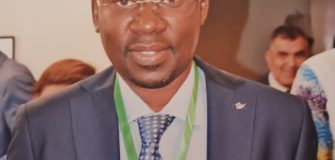
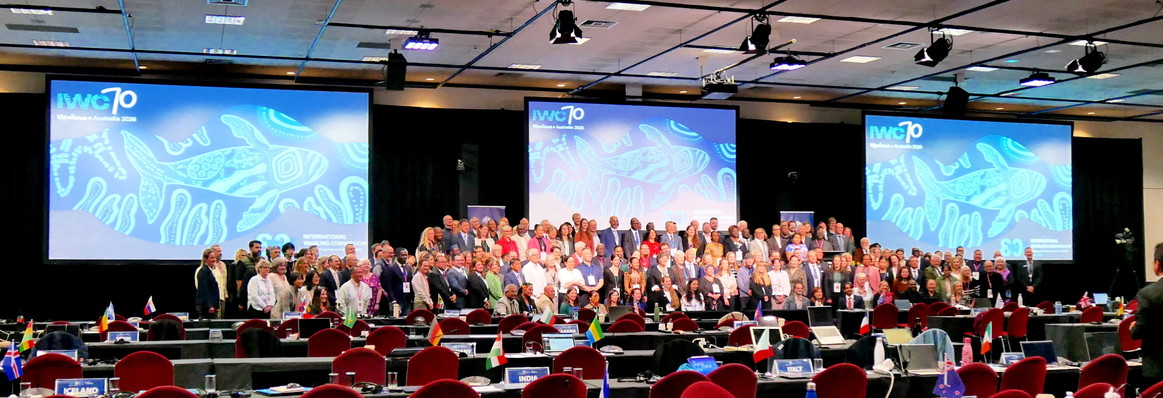
Africa is strengthening its presence in the major international institutions responsible for ocean governance. Dr. Urbain T.A.S. Brito, Commissioner for Benin, was unanimously elected by acclamation as President of the International Whaling Commission (IWC) at the conclusion of its 70th biennial session, held from 27 September to 2 October 2026 in Hobart, Australia. He will be supported by Ms. Anne-Marie Svoboda, representing the European Union and the Netherlands, who was elected Vice-President.
Beyond being a milestone for Benin, this election sends a strong signal to African countries bordering the Atlantic and highlights the growing importance of the Ministerial Conference on Fisheries Cooperation among African States Bordering the Atlantic Ocean (ATLAFCO) in strengthening African representation and cooperation at the international level.
By promoting dialogue among its member States, supporting the participation of African experts in international scientific work and advocating the sustainable use of living marine resources, ATLAFCO helps strengthen African countries’ ability to participate in decisions that will shape the future of the oceans.
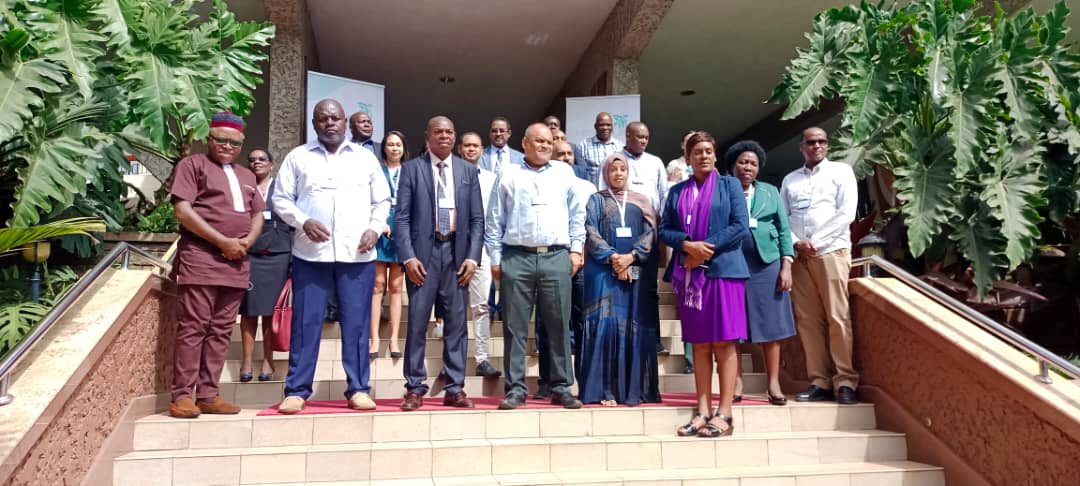
The IWC’s 70th session brought together 65 countries, including five ATLAFCO member States: Benin, Côte d’Ivoire, Morocco, Mauritania and Senegal. Their participation reflects these countries’ commitment to international discussions on cetacean conservation, marine resource management and the protection of ocean ecosystems. It also demonstrates the value of coordinated African engagement in forums where decisions and policy directions can have significant implications for the maritime and fisheries policies of coastal States.
For ATLAFCO, the challenge goes beyond institutional representation. It is about enabling its member States to make their concerns heard, coordinate their positions more effectively and actively contribute to international decision-making processes. At a time when conservation and marine resource management policies can give rise to significant differences of opinion, regional cooperation is an essential means of defending the interests of African coastal countries and ensuring that their economic, social and environmental realities are taken into account.
ATLAFCO’s work also translates into practical support for the development of African scientific capacity. In April 2026, the organization funded the participation of several scientists from its member States in the work of the IWC Scientific Committee, held in Slovenia. This initiative reflects its determination to strengthen African expertise and representation in forums where scientific evidence is examined to inform decisions on whale populations and marine ecosystems.
The participation of African scientists encourages the exchange of expertise, improves understanding of conservation and management challenges, and helps strengthen national capacities in marine research. For ATLAFCO member States, this commitment is particularly important: international decisions should be based on robust scientific evidence while also taking account of coastal countries’ realities, including their dependence on marine resources for food security, employment and income generation.
This momentum builds on the Abidjan Declaration, adopted in April 2025 at ATLAFCO’s 11th Ministerial Conference. The declaration reaffirmed member States’ determination to strengthen their position within international organizations responsible for fisheries and marine resource management. From this perspective, the election of a Beninese president to lead the IWC represents a significant step towards greater African diplomatic visibility and underscores the importance of structured regional cooperation.
The IWC’s 70th session took place at a particularly significant time, as the organization, established in 1948, celebrated its 80th anniversary. Despite persistent disagreements among its members over conservation policies and the use of whale resources, the session achieved several institutional advances. Participants adopted a Code of Conduct by consensus to guide the work of the Commission and its subsidiary bodies. They also approved the “Hobart Declaration”, the IWC’s first collective statement on its role, history and future.
The establishment of an ad hoc working group tasked with proposing legal solutions to the recurring issue of quorum interpretation was another important development. The initiative aims to help clarify the rules governing the Commission’s decision-making procedures.
However, discussions also revealed disagreements over several draft resolutions, some of which were put to a vote in the absence of consensus. Proposals concerning the global trade in whale swim bladders, bycatch of threatened cetaceans, and the prevention of collisions between ships and cetaceans generated debate. The proposal to establish a whale sanctuary in the South Atlantic was rejected once again. Two other proposals—one concerning targeted catches of small cetaceans associated with commercial fishing and another concerning a whale stock conservation and management programme aimed at sustainable use—were withdrawn by their sponsors.
By contrast, the resolution on cetacean strandings was adopted by consensus. It recognizes the scientific value of information collected from stranded animals, particularly for ecosystem monitoring and the analysis of biological and health data, while encouraging closer cooperation among the relevant IWC committees.
On financial matters, the Commission’s budget for 2027–2028 was adopted by a vote, with a 3% increase. The decision followed differences between countries favouring an annual increase of 4.5% and those advocating that the budget remain at its previous level.
During the session, African members of the IWC, together with countries from the Caribbean and the Pacific, reaffirmed their support for the sustainable use of living marine resources and for decisions grounded in sound scientific evidence. This position aligns with the priorities championed by ATLAFCO, which emphasizes the essential role marine resources play in food security, social stability and job creation.
For many African coastal communities, the sea is a fundamental source of food, income and economic activity. International marine resource management policies therefore have direct consequences for people’s livelihoods. ATLAFCO advocates an approach that combines ecosystem protection, scientific rigour and consideration of the socioeconomic needs of coastal States. Its objective is to promote balanced ocean governance, grounded in scientific knowledge and attentive to the realities of communities that depend directly on marine resources.
The election of Dr. Urbain T.A.S. Brito opens a new chapter for African representation within the International Whaling Commission. His two-year term begins at a sensitive time for the organization, which must continue to facilitate dialogue among countries whose positions are sometimes sharply opposed. For Benin, the election represents international recognition. For other African countries involved in the Commission’s work, it offers an opportunity to strengthen their participation in debates on the management of whale resources.
For ATLAFCO, this development further demonstrates the value of a strategy built on regional cooperation, skills development and active participation in international organizations. By supporting African scientific expertise, encouraging coordination among its member States and advocating the sustainable use of living marine resources, the organization helps ensure that the priorities of African countries bordering the Atlantic are heard.
The election of a Beninese president will not, on its own, resolve the differences that divide the IWC. Nevertheless, it represents an important opportunity to strengthen international dialogue, deepen cooperation and raise the profile of African priorities.
For ATLAFCO and its member States, the challenge now is to turn this diplomatic recognition into even stronger African participation in the international decisions that will shape the future of the oceans, the sustainability of marine resources and the well-being of coastal communities.
Dr. Urbain T.A.S. Brito’s presidency therefore represents an opportunity for Benin, for ATLAFCO member States and, more broadly, for Africa. It underscores the fact that regional solidarity, scientific expertise and international cooperation are essential tools for defending the continent’s interests and promoting more balanced, responsible and sustainable ocean governance.