
Africa Closes Ranks to Safeguard Its Fisheries Resources

Share
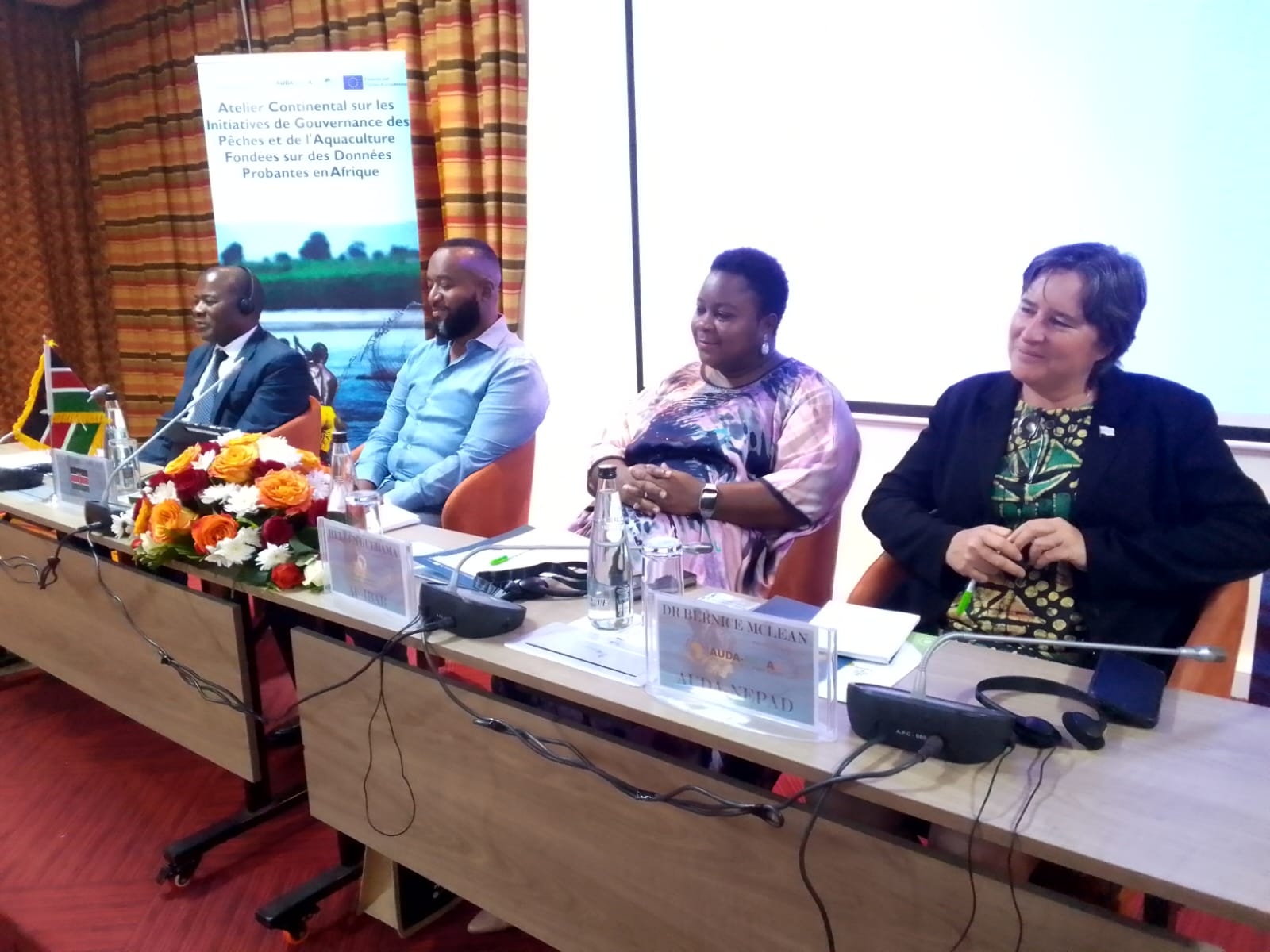
At Mombasa, the African Union’s Interafrican Bureau for Animal Resources (AU-IBAR), with the support of the African Union Development Agency (AUDA-NEPAD), brought African Member States together to advance coordinated fisheries and aquaculture governance, positioning science-based evidence as a key driver of food security, climate resilience, and the blue economy.
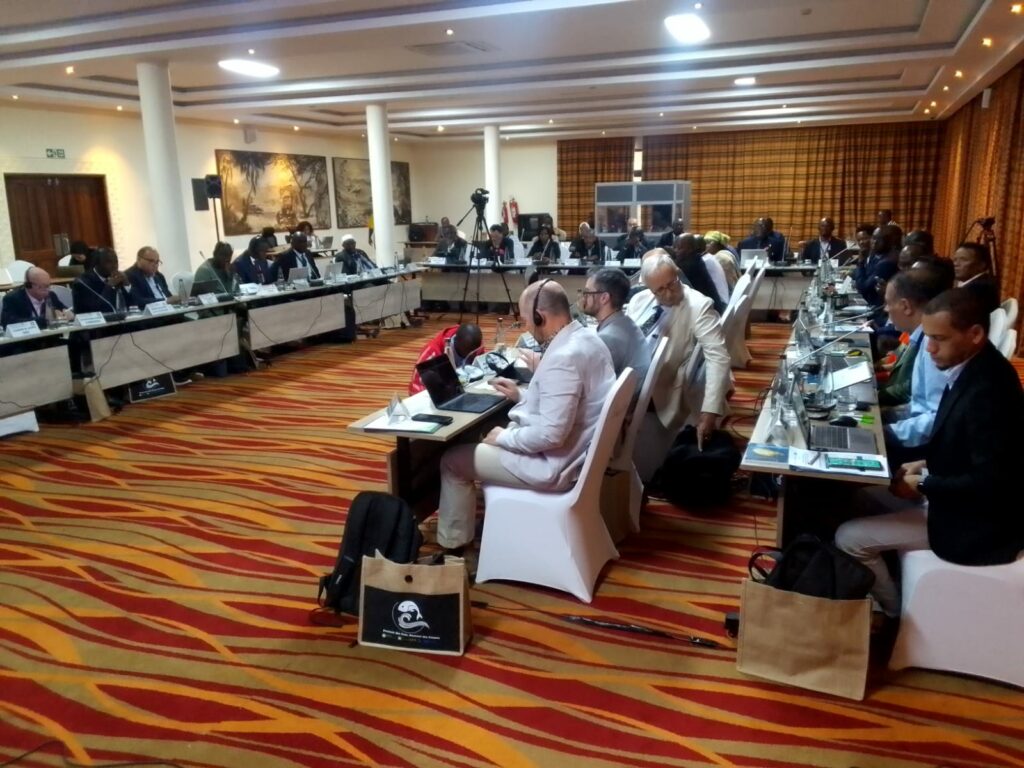
As Africa grapples with overexploited fisheries resources, the growing impacts of climate change, and mounting food security challenges, the continent is strengthening its commitment to science-based governance and regional cooperation. This was the central message of the continental workshop on the harmonization of fisheries and aquaculture policies organized in Mombasa by the African Union Interafrican Bureau for Animal Resources (AU-IBAR), with the participation of the African Union Development Agency (AUDA-NEPAD).
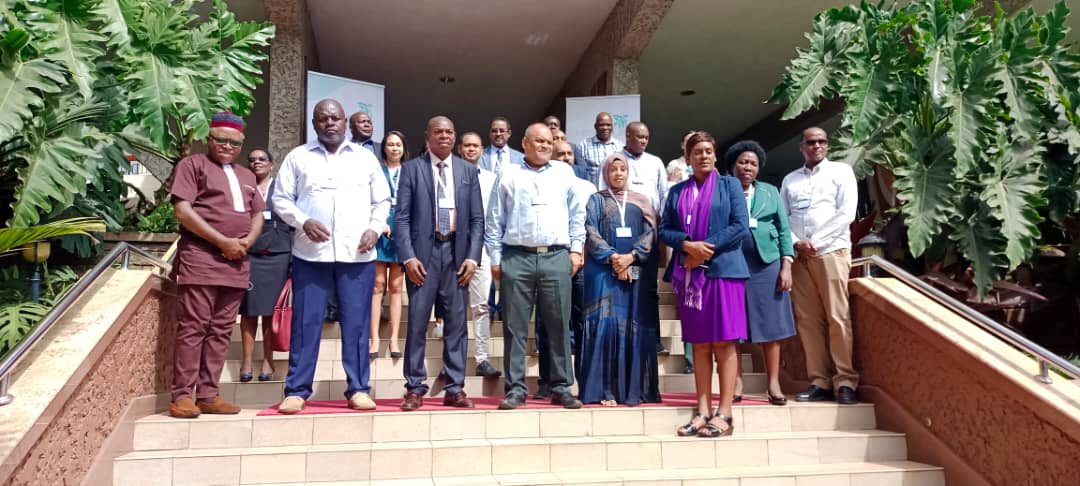
The meeting brought together African Union Member States, Regional Economic Communities (RECs), research institutions, development partners, and private sector representatives to promote the adoption of continental policy frameworks and translate years of scientific research into practical recommendations for the sustainable management of Africa’s aquatic resources.
Speaking on behalf of the AU-IBAR Director, Helen Guebama, Fisheries and Aquaculture Specialist, reaffirmed the African Union’s commitment to supporting Member States in implementing integrated, sustainable, and science-based fisheries governance.
According to her, the workshop sought to strengthen Member States’ ownership of the Policy Framework and Reform Strategy for Fisheries and Aquaculture in Africa (PFRS), the African Union’s flagship policy instrument that provides a common vision for the sustainable development and responsible management of the continent’s fisheries and aquaculture sector.
“Our objective is to ensure that African countries speak the same language in the management of fisheries and aquaculture resources, guaranteeing their sustainability for present and future generations,” she said.
Participants also discussed the African Fisheries and Aquaculture Database, a continental platform designed to harmonize data on fish production, aquaculture, trade, employment, and socio-economic indicators. According to AU-IBAR, reliable and harmonized data are essential for developing effective public policies and ensuring evidence-based management of aquatic resources.
The institution further emphasized that the continental strategy is built around key priorities, including fisheries conservation, the development of small-scale fisheries, sustainable aquaculture, enhanced trade in fish and fishery products, improved governance of high seas fisheries, and increased awareness of the sector’s strategic importance.
These priorities are complemented by cross-cutting issues such as gender equality, youth empowerment, climate resilience, aquatic biodiversity conservation, and increased private sector investment in Africa’s blue economy.
AUDA-NEPAD provides the scientific evidence for informed policymaking
As a key partner in the workshop, AUDA-NEPAD presented the findings of several studies conducted under the FISHGOV (Fisheries Governance) project, funded by the European Union.
Speaking on behalf of the agency, Bernice MacLean, Senior Programme Officer for the Blue Economy, explained that the studies carried out over the past five years have generated critical evidence to guide policy and decision-making across the continent.
“The purpose of this workshop was not simply to present the studies, but to allow Member States, Regional Economic Communities, and other stakeholders to review the findings, enrich the discussions, and validate recommendations that will shape future interventions,” she said.
Among the key studies presented was an assessment of how national fisheries and aquaculture strategies align with the Policy Framework and Reform Strategy for Fisheries and Aquaculture in Africa. The assessment measured the progress made by African countries while identifying policy gaps that require further attention.
AUDA-NEPAD also presented a continental assessment of fisheries stock assessments, highlighting significant disparities in scientific data collection across Africa’s regions and identifying critical knowledge gaps that continue to constrain sustainable fisheries management.
Additional studies examined the impacts of climate change on fisheries and aquaculture, the contribution of the blue economy to food security and nutrition, gender mainstreaming across fisheries value chains, and the conservation of aquatic biodiversity.
*Innovative tools to strengthen Member States’ capacity
Beyond research, AUDA-NEPAD showcased innovative initiatives aimed at strengthening the technical capacity of African governments.
Bernice MacLean announced the development of a digital application that will enable countries to estimate the true economic value of their fisheries and aquaculture sectors.
The tool builds on the methodology of a landmark 2014 study, which revealed that Africa’s fisheries sector was worth four to six times more than previously estimated, placing its value at approximately US$24 billion.
Adapted to today’s data environment, the digital platform will allow governments to generate reliable economic assessments, better inform investment decisions, and strengthen national planning processes for the sustainable development of the blue economy.
A shared vision for Africa’s blue economy
Through this collaborative initiative, AU-IBAR and AUDA-NEPAD reaffirm their shared commitment to accelerating Africa’s transition towards a sustainable blue economy.
By combining policy harmonization, scientific research, innovation, and capacity building, the two African Union institutions aim to safeguard the continent’s fisheries resources, strengthen food security, create decent jobs, and secure sustainable livelihoods for the millions of Africans who depend on fisheries and aquatic ecosystems.