Nine Western Indian Ocean Countries Strengthen Cooperation Against Illegal Fishing Under EU-Funded SWIOP Programme

Share
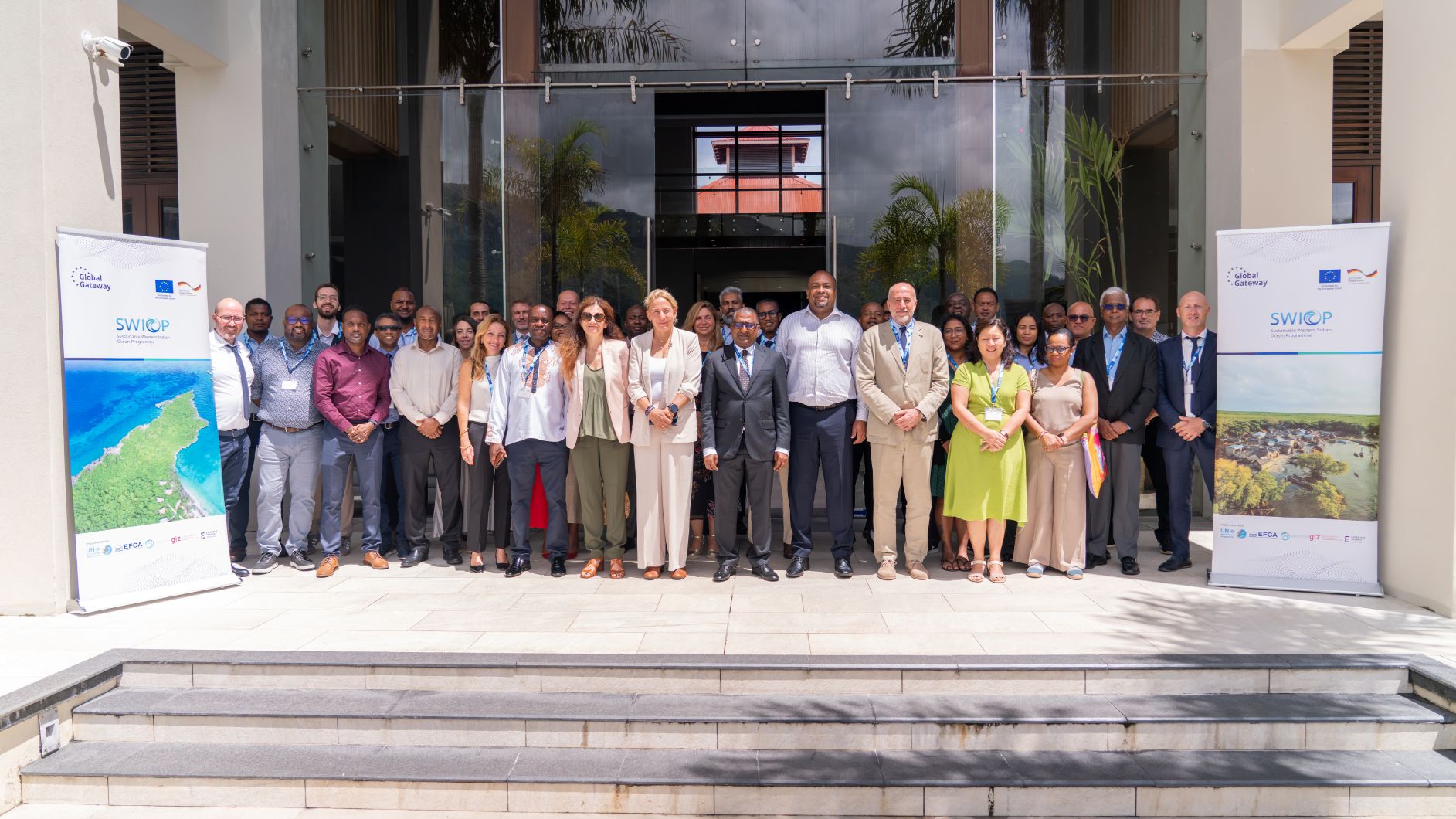
Victoria, Seychelles | 28 October 2026
Nine Western Indian Ocean countries, including Mauritius and Seychelles, are strengthening regional cooperation to combat illegal, unreported and unregulated (IUU) fishing under the European Union-funded Sustainable Western Indian Ocean Programme (SWIOP). Three complementary components of the programme were officially launched in Seychelles on 26 October 2026. The initiative aims to reinforce fisheries surveillance, scientific cooperation, institutional capacities and the sustainable management of marine resources, while supporting the livelihoods of coastal and island communities.
A coordinated regional response
Countries across the Western Indian Ocean are stepping up their collective response to illegal, unreported and unregulated fishing through coordinated initiatives under the Sustainable Western Indian Ocean Programme (SWIOP), funded by the European Union.
Three complementary components of the programme, implemented by the European Fisheries Control Agency (EFCA), Expertise France and the Indian Ocean Commission (IOC), were officially launched in Victoria, Seychelles, on Monday, 26 October 2026.
The launch marks a further step towards strengthening fisheries governance, improving monitoring, control and surveillance systems, facilitating information exchange and supporting scientific research on shared fish stocks.
The event was jointly organised by the European Union Delegation to Mauritius and Seychelles, EFCA, Expertise France and the IOC.
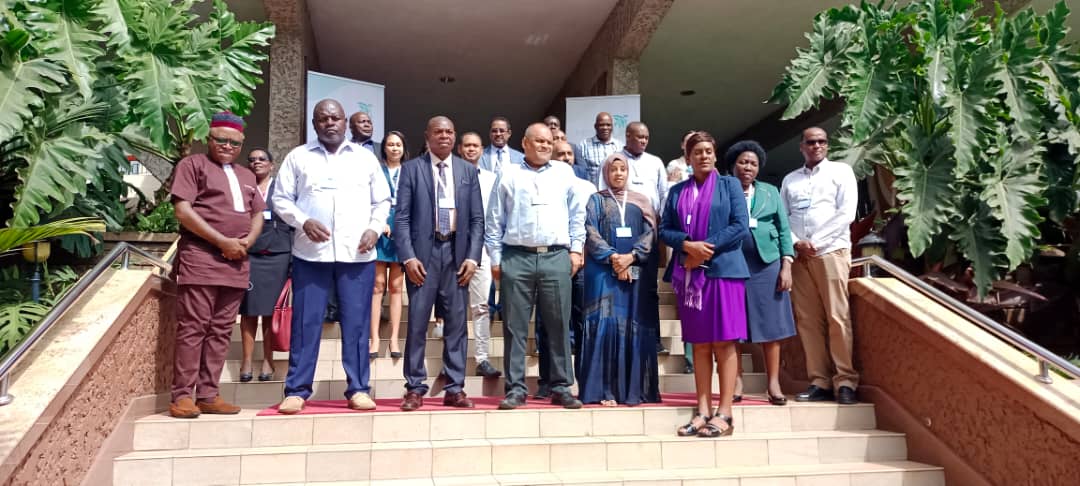
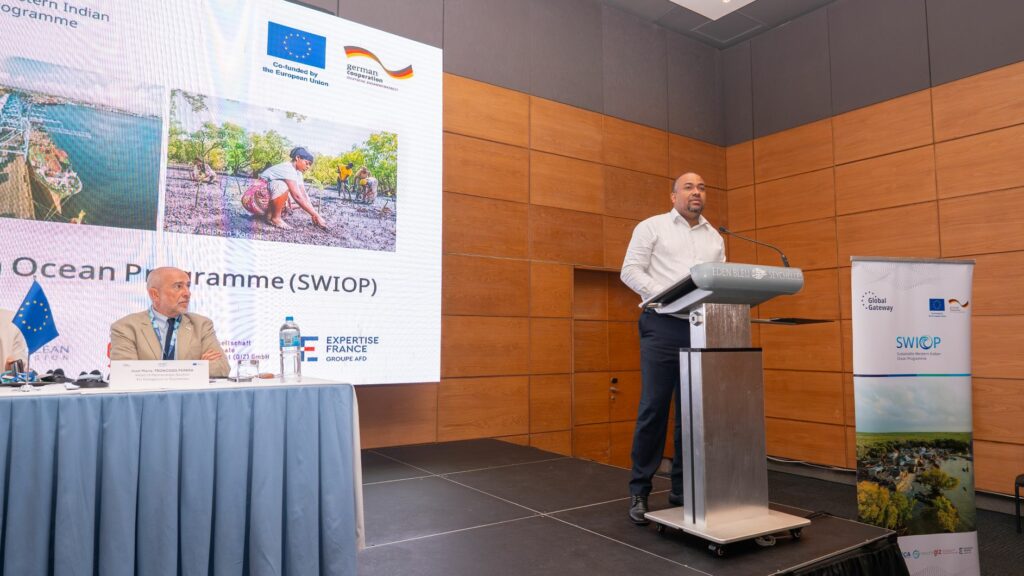
It brought together senior representatives of participating institutions and governments, including Seychelles’ Principal Minister and Minister for Fisheries, Agriculture and the Blue Economy, Wallace Cosgrow; IOC Secretary-General Dr Ibrahim Norbert Richard; EFCA Executive Director Dr Susan Steele; and José Maria Troncoso Perera, Head of Partnerships at the European Union Delegation to Mauritius and Seychelles.
The French Ambassador to Seychelles also attended the launch.
Nine countries involved
SWIOP covers nine countries in the Western Indian Ocean: Comoros, Djibouti, Kenya, Madagascar, Mauritius, Mozambique, Seychelles, Somalia and Tanzania.
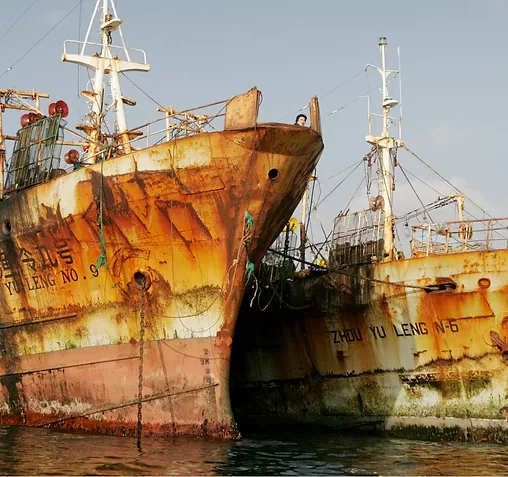
Illegal fishing presents a major challenge for the region, undermining efforts to conserve marine ecosystems and sustainably manage fisheries resources.
Because fishing activities and vessel movements cross national maritime boundaries, effective responses require cooperation among neighbouring countries, fisheries authorities and regional institutions.
Within SWIOP’s ocean governance pillar, the participating organisations will strengthen existing regional mechanisms while responding to national priorities and operational needs.
The initiative combines institutional support, technical assistance, capacity-building, information-sharing and coordinated fisheries surveillance.
Strengthening fisheries control and surveillance
EFCA will support beneficiary countries through operational cooperation and capacity development, drawing on its experience in coordinating fisheries control activities within the European Union and supporting international cooperation programmes.
Its assistance will include practical training for fisheries monitoring, control and surveillance personnel, support for improving legislative and institutional frameworks, stronger monitoring systems and enhanced information exchange.
An important component involves supporting joint fisheries surveillance and control activities conducted through the IOC’s Regional Fisheries Surveillance Plan, known by its French acronym PRSP.
Established in 2007 with European Union support, the PRSP provides a coordinated regional response to illegal fishing.
The mechanism brings together the five IOC member states — Comoros, France through Réunion, Madagascar, Mauritius and Seychelles — along with Kenya, Mozambique, Somalia and Tanzania.
It covers more than 6.5 million square kilometres of exclusive economic zones, enabling participating countries to coordinate maritime patrols, conduct aerial surveillance missions, exchange operational information and pool resources.
These activities contribute to the prevention, detection and deterrence of illegal fishing.
The initiative will also promote closer cooperation between the PRSP and the IOC-coordinated Regional Maritime Security Architecture.
Further developments include the planned establishment of a Regional Centre for Fisheries Surveillance, Control, Monitoring and Observation.
Improving fisheries research and management
Expertise France will focus on strengthening the conservation and management of high-seas and straddling fish stocks in the Western Indian Ocean.
Its activities will support two Regional Fisheries Management Organisations: the Indian Ocean Tuna Commission (IOTC) and the Southern Indian Ocean Fisheries Agreement (SIOFA), together with their Contracting Parties in the region.
The support will seek to improve fisheries data collection and scientific research, thereby strengthening the evidence available for decisions on the sustainable management of fish stocks.
Expertise France will also provide technical assistance to help participating parties implement conservation and management measures adopted under the IOTC and SIOFA frameworks.
Regional cooperation essential, say partners
Addressing the launch, EFCA Executive Director Dr Susan Steele emphasised that illegal fishing damages marine ecosystems and cannot be effectively addressed within national boundaries alone.
She highlighted the importance of coordinated regional surveillance, joint patrols, information-sharing and institutional capacity-building, while reaffirming EFCA’s commitment to a practical, operational approach involving local partners.
IOC Secretary-General Dr Ibrahim Norbert Richard similarly stressed the importance of sustained regional cooperation.
He noted that fishing activities and vessel movements extend beyond national borders, making coordinated operations, the pooling of expertise and the exchange of information essential to combating illegal fishing.
The IOC’s Regional Fisheries Surveillance Plan, he indicated, provides an established mechanism that SWIOP will help consolidate and strengthen.
EUR 11 million in EU support for fisheries initiatives
José Maria Troncoso Perera, Head of Partnerships at the European Union Delegation to Mauritius and Seychelles, announced that the fisheries component under the first pillar of SWIOP would benefit from EUR 11 million in European Union support.
He underlined the importance of sustainable fisheries to the economic and social resilience of coastal and island states.
For communities that rely heavily on the ocean for food, employment and income, sustainable fisheries management is not solely an environmental concern but also an economic, social and strategic priority.
Speaking on behalf of the Seychelles Government, Principal Minister Wallace Cosgrow reiterated the central role of marine resources in the country’s food security, economy and livelihoods.
He emphasised that no country could effectively tackle illegal fishing alone and expressed support for strengthening existing regional surveillance and enforcement mechanisms.
A five-year, EUR 60.5 million programme
SWIOP was initially launched in June 2026 in Mombasa, Kenya.
The five-year programme has an overall budget of EUR 60.5 million, co-funded by the European Union with EUR 58 million and the German Federal Ministry for Economic Cooperation and Development with EUR 2.5 million.
It is structured around three interconnected pillars:
- Ocean governance
- Sustainable blue economy investment
- Marine ecosystem resilience
Within the first pillar, the EFCA and IOC components contribute to efforts to reduce IUU fishing, while Expertise France supports the conservation and management of shared fisheries resources through the IOTC and SIOFA.
The launch of these components in Seychelles marks a new stage in the programme’s implementation.
By combining regional surveillance, scientific cooperation, institutional development and coordinated fisheries management, SWIOP seeks to reinforce the sustainable use of marine resources and protect the livelihoods of communities dependent on the Western Indian Ocean.
The initiative also illustrates the importance of practical cooperation among African coastal and island states in responding to common challenges in fisheries governance and marine resource conservation.
Taluck Ashok Beeharry
Source: Joint press release, 27 October 2026 — European Union Delegation to Mauritius and Seychelles, European Fisheries Control Agency, Expertise France and Indian Ocean Commission.